
WordPress Web Design & Development Agency in San Francisco, CA
Choosing the right WordPress agency in San Francisco shouldn’t take months. With 17+ years of experience in WordPress and a proven track record across complex projects, WPoets gives businesses the experience and confidence to choose the right partner.

Trusted Worldwide for WordPress Excellence



San Francisco WordPress Services
WPoets builds premium, customized WordPress websites that are flexible, easy to manage, easy to publish on, SEO-friendly, and user-friendly.
Our objective is to make your website a day-to-day marketing, SEO, and content publishing platform for your teams, helping them publish more frequently, launch campaigns faster, maintain brand consistency, improve SEO execution, and hence contribute to your business growth
Marketing teams should be able to quickly create and manage landing pages, campaign pages, product pages, service pages, case studies, blogs, events, webinars, whitepapers, e-books, resource pages, industry pages, and lead-generation pages without constantly depending on developers.
When your marketing and SEO teams can publish quickly and consistently, and the platform supports technical SEO,
This can support:
- More consistent content production
- Better search visibility
- Increased organic traffic
- More relevant and qualified traffic
- Better user engagement
- Better campaign execution
- Improved conversion opportunities
- More qualified leads
- Faster response to market opportunities
- Better marketing ROI
This does not mean that a website by itself guarantees rankings, traffic, or lead volumes. Instead, a well-designed platform provides your marketing and SEO teams with the foundation they need to execute their strategy consistently and effectively.
Most modern businesses do not operate through a single system. Your website may be built on WordPress, while your CRM, marketing automation, payment systems, booking platforms, and other business applications may run on completely different technologies.
In sales calls, we hear the following question often.
- Can you integrate our specific CRM, SaaS platform, or business system with WordPress?
- Can you build a custom integration if there’s no existing WordPress integration?
Yes, WordPress can connect to any system provided the necessary APIs are available.
We can connect your WordPress website with a wide range of systems, including:
- CRM platforms (Zoho, Salesforce, HubSpot)
- Marketing automation platforms (Mailchimp, ActiveCampaign, Klaviyo, SendGrid)
- Booking systems
- Payment gateways
- Forms and lead-generation systems
- Survey platforms
- Social media platforms
- SaaS platforms
- Mobile applications
These integrations can fit into your existing technology environment instead of requiring you to replace the systems your teams already use.
WordPress Multisite is a perfect solution for enterprise organizations that need to manage multiple websites from a single WordPress installation while allowing each website to have its own configuration.
Common uses of multisite are,
- Multiple brands under one organization
- Regional or country websites
- City-specific websites
- Franchise websites
- Department or business-unit websites
- Multiple campaigns or microsites
- Separate websites for different languages, such as websites serving multiple language markets
We can set up a WordPress Multisite network with different URL structures based on how your websites need to be organized. You can use a subdirectory structure, such as example.com/us/, a subdomain structure, such as us.example.com, or domain mapping when each individual website needs its own domain, such as brand-a.com or brand-b.com.
Each website will have the right SEO foundation while remaining aligned with the overall network structure.
This helps you:
- Create a clear and SEO-friendly URL structure for each website
- Maintain unique content and metadata across sites
- Ensure search engines can discover and index each site through properly configured XML sitemaps
- Use canonical URLs correctly to avoid indexing and duplication issues
- Implement hreflang when different sites target different languages or regions
- Prevent duplicate or overlapping content across websites
- Build a consistent SEO foundation that can scale as you add more countries, regions, locations, brands, or business units
The outcome is a well-structured multisite network that is easier for search engines to understand, easier for teams to manage, and better prepared to grow its organic search presence across markets.
We develop multilingual WordPress websites where the content can be in German, French, Dutch, English, etc., as required.
We implement this through the WordPress plugin WPML, Polylang, or a third-party multilingual service of your choice.
The primary language is connected with the other language variations, making content navigation easier for visitors and translation management simpler for marketing and content teams over time.
All the language relationships, taxonomies, content associations, and locale-specific URLs are maintained correctly.
Multilingual websites can use different URL structures based on your requirements.
A directory-based structure is one common approach: yourwebsite.com/en/ or yourwebsite.com/fr/. Subdomain-based URLs: en.yourwebsite.com, fr.yourwebsite.com are also an option. Or language-specific domains: yourwebsite.fr, yourwebsite.de
Any media uploaded to the WordPress Media Library can be associated with the appropriate language versions of the content. Localized assets, such as translated PDFs, market-specific imagery or videos, or language-specific marketing materials, can also be maintained as separate versions for each language.
We also ensure multilingual SEO is part of the website architecture, not an afterthought added once translations go live.
- Unified language-specific URL structure for each language.
- hreflang implementation specifies the relationship between different languages or regional versions.
- Language-specific XML sitemaps, where relevant, can help search engines discover the appropriate localized URLs.
- Avoid duplicate-content issues by properly translating and localizing pages, taxonomies, and related content across languages.
The result is a multilingual WordPress website that gives users a more unified localized experience while giving marketing and content teams a practical way to create, maintain, and publish content across multiple languages as the business grows.
Your website is more than just a marketing tool; it’s a business-critical platform that helps with operations, customer experience, and growth.
That is why we take full responsibility for the entire WordPress lifecycle under one roof, allowing you to work with a single partner rather than coordinating multiple vendors.
This approach reduces communication gaps, accelerates decision-making, improves collaboration, and increases accountability at all stages of the project.
All work is completed by our in-house multidisciplinary team, which includes WordPress consultants, UI/UX designers, WordPress developers, QA engineers, DevOps engineers, and a project manager, aka Customer Experience (CX).
Instead of using off-the-shelf themes, our developers create completely custom WordPress websites, including custom Gutenberg blocks, custom functionality, enterprise workflows, multisite and multilingual capabilities, third-party integrations, customer portals, and web applications.
Following launch, your website will evolve through maintenance, continuous improvement, feature enhancements, performance optimization, security updates, content updates, landing page support, and Core Web Vitals enhancements.
WPoets builds premium, customized WordPress websites that are flexible, easy to manage, easy to publish on, SEO-friendly, and user-friendly.
Our objective is to make your website a day-to-day marketing, SEO, and content publishing platform for your teams, helping them publish more frequently, launch campaigns faster, maintain brand consistency, improve SEO execution, and hence contribute to your business growth
Marketing teams should be able to quickly create and manage landing pages, campaign pages, product pages, service pages, case studies, blogs, events, webinars, whitepapers, e-books, resource pages, industry pages, and lead-generation pages without constantly depending on developers.
When your marketing and SEO teams can publish quickly and consistently, and the platform supports technical SEO,
This can support:
- More consistent content production
- Better search visibility
- Increased organic traffic
- More relevant and qualified traffic
- Better user engagement
- Better campaign execution
- Improved conversion opportunities
- More qualified leads
- Faster response to market opportunities
- Better marketing ROI
This does not mean that a website by itself guarantees rankings, traffic, or lead volumes. Instead, a well-designed platform provides your marketing and SEO teams with the foundation they need to execute their strategy consistently and effectively.
Most modern businesses do not operate through a single system. Your website may be built on WordPress, while your CRM, marketing automation, payment systems, booking platforms, and other business applications may run on completely different technologies.
In sales calls, we hear the following question often.
- Can you integrate our specific CRM, SaaS platform, or business system with WordPress?
- Can you build a custom integration if there’s no existing WordPress integration?
Yes, WordPress can connect to any system provided the necessary APIs are available.
We can connect your WordPress website with a wide range of systems, including:
- CRM platforms (Zoho, Salesforce, HubSpot)
- Marketing automation platforms (Mailchimp, ActiveCampaign, Klaviyo, SendGrid)
- Booking systems
- Payment gateways
- Forms and lead-generation systems
- Survey platforms
- Social media platforms
- SaaS platforms
- Mobile applications
These integrations can fit into your existing technology environment instead of requiring you to replace the systems your teams already use.
WordPress Multisite is a perfect solution for enterprise organizations that need to manage multiple websites from a single WordPress installation while allowing each website to have its own configuration.
Common uses of multisite are,
- Multiple brands under one organization
- Regional or country websites
- City-specific websites
- Franchise websites
- Department or business-unit websites
- Multiple campaigns or microsites
- Separate websites for different languages, such as websites serving multiple language markets
We can set up a WordPress Multisite network with different URL structures based on how your websites need to be organized. You can use a subdirectory structure, such as example.com/us/, a subdomain structure, such as us.example.com, or domain mapping when each individual website needs its own domain, such as brand-a.com or brand-b.com.
Each website will have the right SEO foundation while remaining aligned with the overall network structure.
This helps you:
- Create a clear and SEO-friendly URL structure for each website
- Maintain unique content and metadata across sites
- Ensure search engines can discover and index each site through properly configured XML sitemaps
- Use canonical URLs correctly to avoid indexing and duplication issues
- Implement hreflang when different sites target different languages or regions
- Prevent duplicate or overlapping content across websites
- Build a consistent SEO foundation that can scale as you add more countries, regions, locations, brands, or business units
The outcome is a well-structured multisite network that is easier for search engines to understand, easier for teams to manage, and better prepared to grow its organic search presence across markets.
We develop multilingual WordPress websites where the content can be in German, French, Dutch, English, etc., as required.
We implement this through the WordPress plugin WPML, Polylang, or a third-party multilingual service of your choice.
The primary language is connected with the other language variations, making content navigation easier for visitors and translation management simpler for marketing and content teams over time.
All the language relationships, taxonomies, content associations, and locale-specific URLs are maintained correctly.
Multilingual websites can use different URL structures based on your requirements.
A directory-based structure is one common approach: yourwebsite.com/en/ or yourwebsite.com/fr/. Subdomain-based URLs: en.yourwebsite.com, fr.yourwebsite.com are also an option. Or language-specific domains: yourwebsite.fr, yourwebsite.de
Any media uploaded to the WordPress Media Library can be associated with the appropriate language versions of the content. Localized assets, such as translated PDFs, market-specific imagery or videos, or language-specific marketing materials, can also be maintained as separate versions for each language.
We also ensure multilingual SEO is part of the website architecture, not an afterthought added once translations go live.
- Unified language-specific URL structure for each language.
- hreflang implementation specifies the relationship between different languages or regional versions.
- Language-specific XML sitemaps, where relevant, can help search engines discover the appropriate localized URLs.
- Avoid duplicate-content issues by properly translating and localizing pages, taxonomies, and related content across languages.
The result is a multilingual WordPress website that gives users a more unified localized experience while giving marketing and content teams a practical way to create, maintain, and publish content across multiple languages as the business grows.
Your website is more than just a marketing tool; it’s a business-critical platform that helps with operations, customer experience, and growth.
That is why we take full responsibility for the entire WordPress lifecycle under one roof, allowing you to work with a single partner rather than coordinating multiple vendors.
This approach reduces communication gaps, accelerates decision-making, improves collaboration, and increases accountability at all stages of the project.
All work is completed by our in-house multidisciplinary team, which includes WordPress consultants, UI/UX designers, WordPress developers, QA engineers, DevOps engineers, and a project manager, aka Customer Experience (CX).
Instead of using off-the-shelf themes, our developers create completely custom WordPress websites, including custom Gutenberg blocks, custom functionality, enterprise workflows, multisite and multilingual capabilities, third-party integrations, customer portals, and web applications.
Following launch, your website will evolve through maintenance, continuous improvement, feature enhancements, performance optimization, security updates, content updates, landing page support, and Core Web Vitals enhancements.
What Clients Say
What Clients Say


WPoets has enhanced the website’s performance, workflow, and tracking. The team has managed the project well and communicated effectively through email, messaging apps, and virtual meetings. Their reliability and clear communication are commendable.

Web Marketing Manager.

Web Marketing Manager.
WPoets delivered the project on time, providing active communication on the progress of the work. The team managed the project well and communicated effectively through virtual meetings and emails. Moreover, WPoets’ responsiveness and transparency were key elements of their performance.
Digital Corporate Comm Manager

Digital Corporate Comm Manager
WPoets has met all the deadlines and ensured excellent communication through a dedicated single point of contact and a proactive reporting structure. The team has provided weekly sprint updates and demo calls at major milestones. Overall, the client has enjoyed working with WPoets’ team.

Owner

Owner
How do we compare with other agencies in San Francisco?
What Most Other Agencies Do

Many WordPress agencies build websites using heavy visual page builders and install and use their add-ons. They also install many WordPress plugins to build the features and functionality the website needs.
As websites evolve, this leads to plugin conflicts, which make maintenance difficult and can make the website harder to manage.
Over time, excessive page-builder elements, unused Gutenberg blocks, and unnecessary settings are added, resulting in a slower backend and frontend.
Many agencies develop custom functionality by modifying WordPress core files, themes, and plugin files directly.
Although this may seem like a fast solution, WordPress, theme, and plugin updates will replace these customizations, creating new compatibility issues.
Over the months, technical debt will accrue, leading to the site being hard to maintain.
Many WordPress agencies treat security as an afterthought.
Direct edits to core files, limited backup strategies, weak authentication, and minimal ongoing monitoring can leave websites exposed to security loopholes and malware attacks.
A reactive approach often means vulnerabilities are discovered only after they become business risks.
Many WordPress agencies install separate plugins for nearly every requirement that you have, including forms, payment integrations, email automation, caching, search, sliders, popups, banners, and more.
While it can get a new site up and running a whole lot faster, it ends up bringing its own set of problems. You will end up dealing with loads of plugin conflicts, a bigger attack surface, more updates to track, and a site that gradually gets slower and slower.
As the number of plugins grows, so does the complexity & expense of keeping things running. Every little thing requires its own fix or patch.
Most WordPress agencies don’t offer any ongoing, post-launch support after the website goes live.
Their focus shifts to new projects, leaving businesses to manage outdated plugins, broken functionality, security vulnerabilities, declining performance, and unexpected technical issues on their own.
Your team spends many hours maintaining the site instead of focusing on marketing, generating leads, and growing your business.


We build websites using WPoets and its Awesome Enterprise Framework, which relies on the native WordPress Gutenberg editor, rather than a visual page builder.
This enables marketing teams to add and modify pages themselves without additional frontend bloat by making use of custom reusable Gutenberg blocks. As a result, your marketing team, along with the help of the content and SEO team, can publish easily. Most importantly, the website’s backend and front end load faster.
WPoets follows an update-safe development approach that keeps the WordPress core, themes, and plugins intact. Custom functionality is built through custom themes, custom plugins, modular components, templates, and services within an update-safe architecture.
From time to time, all WordPress core updates and upgrades are handled so there is no technical debt. And your team doesn’t have to worry about WordPress update technicalities.
Security is a top concern at WPoets, from design and planning to implementation, launch, and support.
We follow OWASP security guidelines and implement industry-standard practices, including Multi-Factor Authentication (MFA), malware scanning, file integrity monitoring, firewall configuration, and continuous security monitoring.
By using this proactive approach, threats are identified and mitigated before they even reach your site.
WPoets delivers WordPress solutions customized around your workflows, editorial processes, and marketing teams’ needs, with a minimal reliance on third-party plugins.
We build custom editorial workflows through manage, custom-coded Gutenberg blocks and integrations tailored to your teams’ way of working.
When you do want plugins instead of custom functionality, we choose the most reliable, enterprise-grade options with solid security, frequent updates, active contributions, and long-term support.
WPoets supports you for the first 30 days following launch and then partners with you for the long term via enterprise retainers.
Monthly services focus on WordPress core, theme, and plugin updates; security scans; malware monitoring; backups; uptime monitoring; and performance optimization.
This frees your marketing department from website technicalities so they can focus on campaigns, SEO, paid advertising, and leads while we look after the website’s health.
Our Process


Initial Consultation and Strategy Planning
Finding the right WordPress agency is not easy. You could spend weeks researching agencies, reviewing portfolios, attending sales meetings, and comparing proposals, but still wonder, “Do they really understand our business?”
That is precisely why our discovery call is different.
Our process starts with a free initial consultation. We begin by listening to you and your team to better understand your company’s goals, target audience, user needs, user journeys, key visitor actions, business challenges, website objectives, customer expectations, and vision for a new or upgraded website.
During this consultation, we will learn about your goals for the new website, how you want it to look and feel, what you like and dislike about your current website, the features or experiences you want to add, and how the new website should differ from the current one.
Based on our discussions, we will develop project specifications that include required functionalities, website pages and structure, integrations, technical and design requirements, content requirements, expected deliverables, project priorities, and timelines or deadlines. We listen before recommending a solution, so the approach is tailored to your specific needs.
Our experts will also collect detailed information about your current website, such as its information architecture, design complexity, content types, page count and types, existing functionality, custom features, third-party integrations, technical challenges, what works well, and areas that require improvement.
We also analyze competitor websites to learn about shared user experiences, what competitors do well, areas for improvement, and opportunities for your new website to stand out. Only after we have thoroughly understood these details will we recommend a solution, positioning ourselves as a strategic partner rather than a development vendor.


Tailored Solutions & Proposal
Before crafting a customized proposal, we deeply understand your business goals, technical requirements, and project priorities.
We do not offer generic advice; instead, we propose a solution that aligns with your purpose of creating the new website.
Our estimates are based on our comprehensive evaluations of the requirements.
We assess factors such as the number of pages, unique page templates, UI/UX design requirements, custom functionality requirements, content workflows, third-party API integration, multilingual capability, content migration, and more before providing an estimate.
This detailed planning enables us to provide you with accurate timelines and effort estimations along with transparent pricing!
We’ve outlined all of that in our proposal to ensure nothing is left out: your project’s scope, deliverables, implementation timeline, milestones, implementation cost, and pricing.
That’s because we want to be as transparent as possible right from the very start. You’ll know exactly what’s going to be included in the project without worrying about extra charges later on.
We like to talk openly about budgets right from the beginning. Knowing your available spend allows us to suggest the most suitable approach, prioritize the features that offer the most business value, and ensure the project stays within your budget without sacrificing quality.
Launching your website is just the start of our working together.
We also propose maintenance and retainer plans in the planning phase to help ensure your website continues to perform at its best. including ongoing security updates, performance optimization, feature improvements, technical support, and ongoing improvements that keep enterprise websites secure, reliable, and ready for future growth.
If needed, we’ll schedule a dedicated proposal walkthrough to explain every section in detail. We answer any questions from your marketing, IT, procurement, leadership, and other stakeholders, ensuring everyone understands the proposal, implementation approach, timelines, deliverables, and next steps before development begins.
Once your project begins, you’ll be assigned a dedicated Customer Experience (CX) Manager who serves as your single point of contact throughout the engagement.
The CX manager coordinates, tracks project progress, resolves queries promptly, and continues to support you even after your website goes live, ensuring a smooth experience from start to finish.
Every project starts with a structured kickoff meeting between your team and our Sales, Customer Experience (CX), Design, and Development teams.
This meeting introduces everyone involved, establishes clear communication, fosters strong working relationships, and ensures that everyone understands the project from the beginning.
Transparency is one of our core values.
Everything is clearly documented and communicated from the start, including the project scope and responsibilities, timelines, milestones, expectations, and costs.
This approach minimizes misunderstandings, lowers project risks, and eliminates surprises throughout the engagement.
Our goal is not just to launch your website.
We create scalable digital platforms that grow with your company and continue to provide maintenance, performance improvements, feature enhancements, and strategic guidance long after launch.
That is why many of our clients have been working with us for five years or more, relying on us as a long-term digital partner.


Design Phase: Bringing Ideas to Life
Our design process starts by understanding your target audience, whether you are B2B or B2C, and identifying your ideal customer profile (ICP).
Based on this understanding, we define the site architecture, imagery, structure, navigation, user experience, and conversion goals to align with your business objectives and user requirements.
We begin with low-fidelity wireframes using simple black-and-white layouts.
These wireframes establish the structure, key elements, functionality, and user flow of each page before visual design begins.
We share the wireframes with your team, gather feedback, make revisions where appropriate, and confirm the structure against your business goals, website vision, and customer expectations.
Once the wireframes are approved, we move into high-fidelity designs, adding brand colors, typography, icons, imagery, motion, interactive elements, and other visual details to bring your brand identity to life.
Our high-fidelity designs are highly visual, pixel-perfect, intuitive, and optimized to encourage easy user journey.
We then share high-fidelity prototypes with your team for review, gather feedback, and make the necessary adjustments and revisions until the designs are approved and meet your expectations.
Once the designs are approved, we move into WordPress development, following the planned WordPress theme or custom theme approach. Development of approved pages, components, features, and functionality begins in parallel with page and component approvals.
The website is developed on a staging server for review and testing.
We prefer custom WordPress themes over off-the-shelf templates to provide greater flexibility, faster load times, scalability, and long-term maintainability.
Throughout the design and development phases, our Agile methodology structures the work into sprints, supporting iteration, flexibility, transparency, collaboration, and continuous improvement.
Your team remains involved through periodic milestone reviews, providing feedback and modifications throughout the project.
This complete process results in a website with a cohesive visual look and feel, best-in-class user experience, strong performance, scalability, and functionality, all tailored to your business needs and designed to support your users and business goals.


Development and Testing: Ensuring Quality and Performance
Once the designs are complete, we start developing the webpages in parallel on the development server, based on the approved designs.
Rather than spending months building the entire website behind closed doors, we use an Agile development approach where your team is involved and can see the website being built up from scratch.
Regularly (daily, every other day, or biweekly depending on the cadence), we conduct review calls to show you the work done during the sprint, walk you through new features or functionality developed, answer questions if any, and collect feedback and suggestions.
Seeing progress regularly gives your team confidence that the project is on track and lets us make improvements as per your suggestions as we move further, rather than fixing those before go-live. It also keeps all the stakeholders, specifically the marketing team, in sync throughout the development process.
Before we begin creating individual web pages, as per the design, we first identify the common design patterns used throughout your website and convert them into reusable Gutenberg blocks.
These typically include banners, sliders, testimonials, call-to-action sections, process sections, FAQs, forms, navigation menus, headers, footers, sidebars, and other reusable content blocks.
By building these components first, we can assemble the pages as per the approved designs. Using this, your marketing team can also easily create new product or service pages or landing or campaign pages in the future using these ready-made blocks, without relying on developers to do it for them.
We ensure that each page works seamlessly on desktops, laptops, tablets, and mobile devices so that every visitor has the same high-quality experience regardless of which screen they use.
Every project has three distinct environments: development, staging, and production. The development environment is where our developers create new pages and features without affecting your existing website.
When a feature or page is finished and internally tested, it is moved to the staging environment, which is a private preview version of your website where you can review the work, provide feedback, and approve changes before they go live.
This allows you to check layouts, review content, verify functionality, and confirm everything meets your expectations while development continues.
For content addition on the developed pages, if your marketing team prefers to add it, they can easily add and update pages using the Gutenberg editor and the reusable blocks we’ve created. Otherwise, the WPoets team can populate all approved content during development.
Before launching, your website goes through extensive testing to ensure that everything works as it should. We test responsiveness across multiple screen sizes (desktops, tablets, and mobile devices) and compatibility with the latest major web browsers and ensure the user experience is consistent. We rigorously test forms and their validation, API integrations, navigation menus, interactive elements, and user journeys.
We also run security checks and performance scores, which should be 90+ on Desktop and 70+ on mobile, as well as Core Web Vitals (LCP, INP, CLS). This extensive testing process contributes to a dependable, secure, and consistent experience for all visitors.
Once the testing is done from our side, your team conducts User Acceptance Testing (UAT) to ensure that the website functions as expected.
Website launches should be exciting, not stressful. Once UAT is completed and final approval from all the stakeholders has been received, we perform one final round of quality assurance.
Then migrate the website from the staging environment to the production server, update DNS settings to direct visitors to the new website, perform post-launch testing, and closely monitor the website for 30 days to ensure everything continues to work as expected.
The website launch is meticulously planned to minimize downtime and business disruption and ensure a smooth transition from your current website to the new one.
Generally, it would be planned when the website’s traffic is low, after business hours, on weekends, or as per your choice.


Launch and Beyond: Ongoing Support and Maintenance
Launch marks the start of our long-term partnership, not the end. You will receive one month of complimentary post-launch support to ensure a smooth transition.
Every launch is meticulously planned to avoid downtime and disruption to business operations. Visitors will have a smooth transition to your new website. Your marketing and content teams will find the new website far easier to manage than the previous one.
After launch, our team is available by phone or email to answer any questions or provide assistance.
We continuously monitor website uptime, server health, server resources, website availability, performance, and traffic patterns.
We use Google Search Console to monitor sitemap submission, indexing status, crawl errors, 404 errors, and search performance. Post-launch issues are identified and addressed asap.
After one month of monitoring, depending on the maintenance plan selected, various tasks are performed, including content additions and updates, landing page creation, website improvements, WordPress core updates, plugin updates, security patches, malware scanning, regular backups, backup restoration, hosting management, page speed optimization, and performance optimization.
We believe in long-term partnerships rather than completing one-time projects.
Many clients continue to work with us for years- some 2 or 3, some 5 or even some 10, through ongoing maintenance and continuous improvement engagements.
Till Now, We Have Built Over 3500 WordPress Websites.
As a leading digital agency for WordPress development in San Francisco, CA we have partnered with many businesses across various industries, from innovative schools to enterprise brands, and have brought brand philosophies to life through custom WordPress websites. We build effective website solutions that deliver impressive results.
Our portfolio highlights our dedication to excellence and our deep understanding of the WordPress platform. Work with us, and you will never have to find another WordPress agency again.
We always prioritize quality, creativity, and innovation. Our team of WordPress experts has many years of experience, and they use the latest techniques.
We want to create websites that meet and exceed our clients’ expectations.
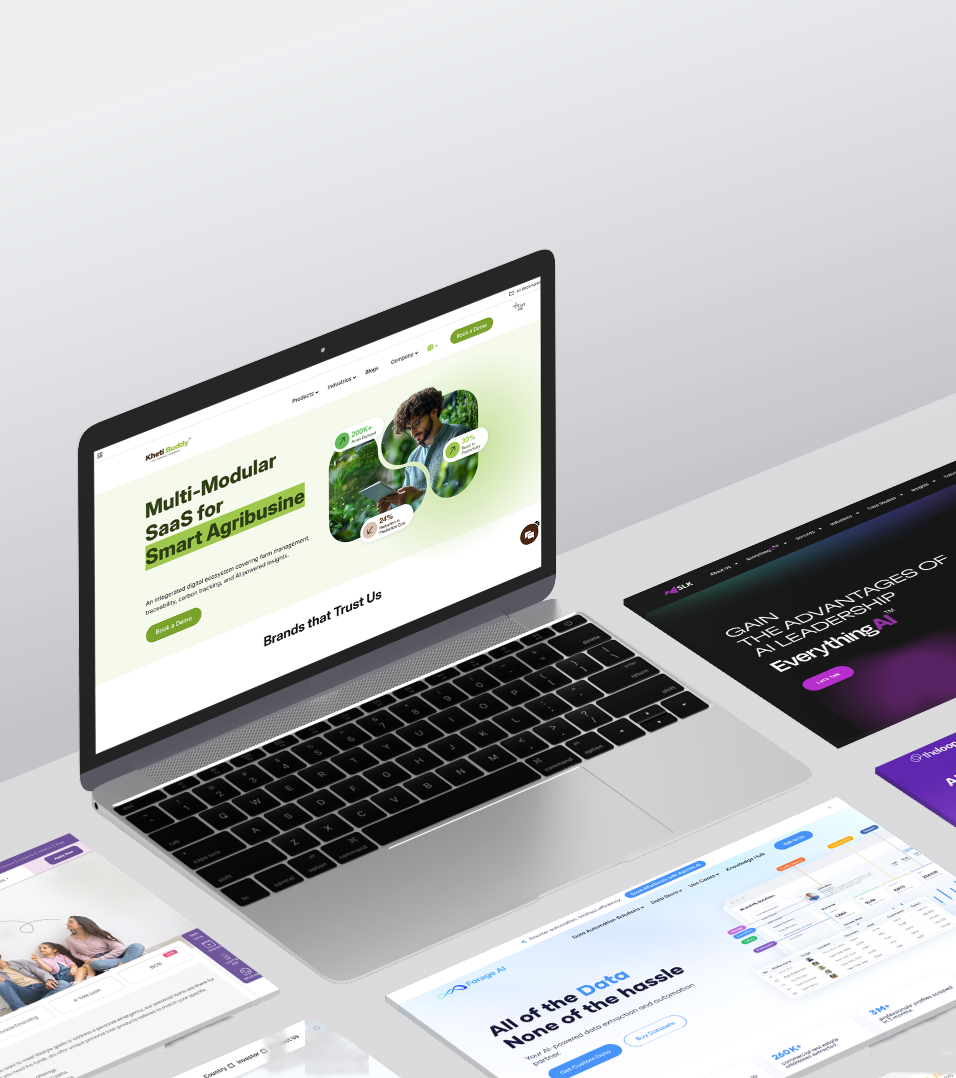
Case studies
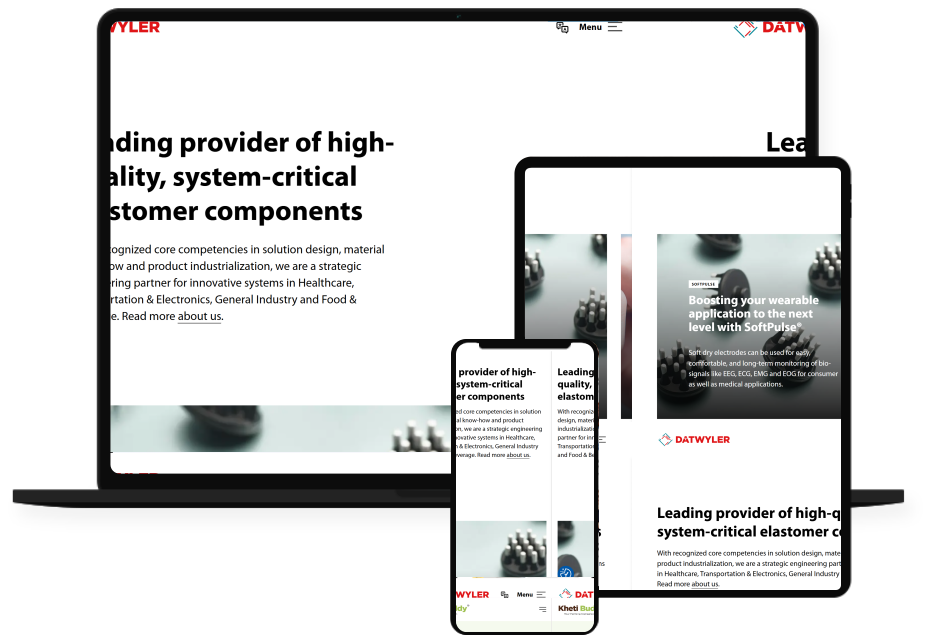

Inside a 1:1 replatform from Kirby to WordPress for a Swiss-listed global manufacturer
Development, DevOps, Migration
Manufacturing
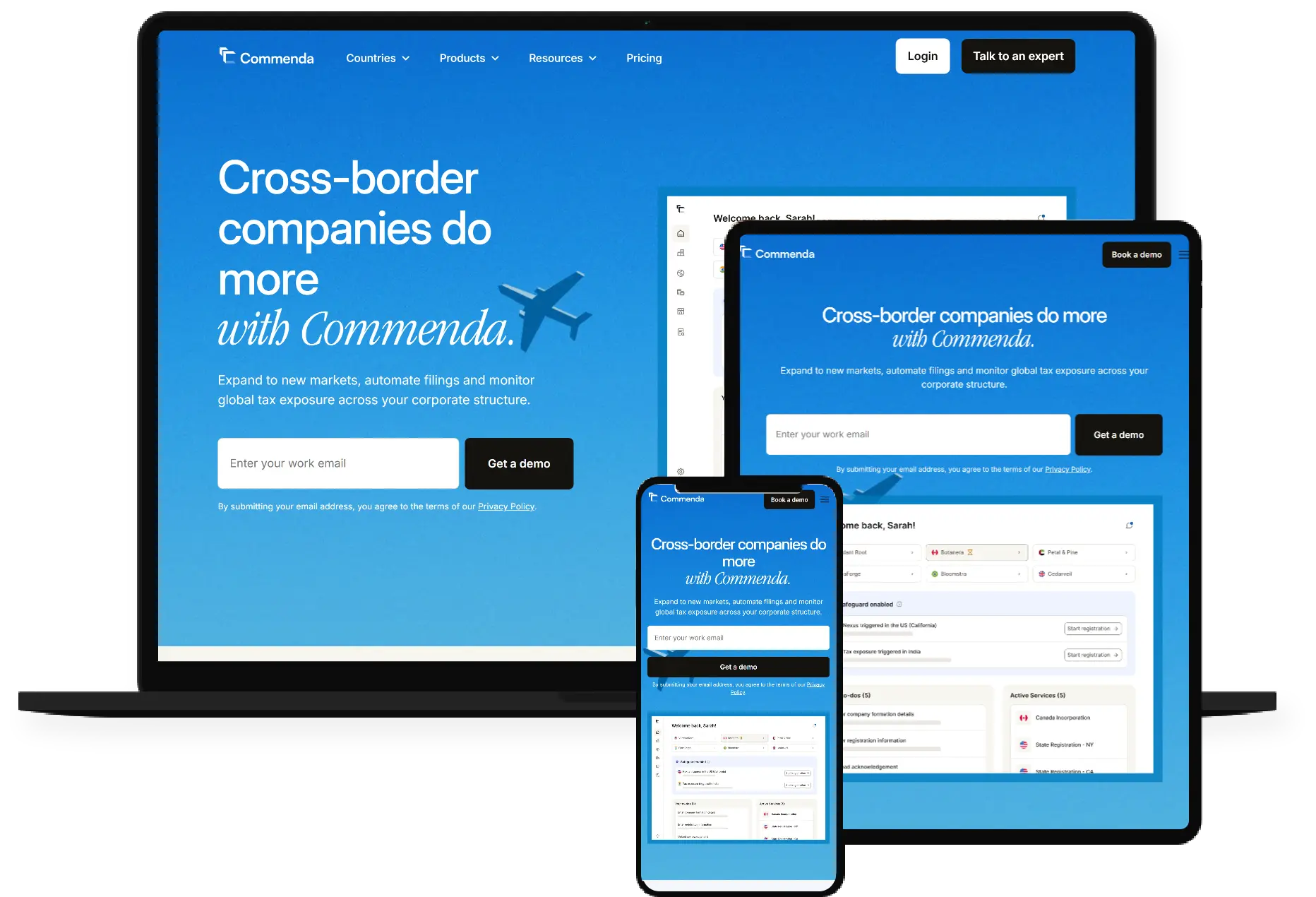

From Webflow Limits to WordPress Freedom: The Commenda.io Website Transformation
Development, DevOps, Migration
Technology
FAQs
What types of third-party systems can you integrate with WordPress?
We can seamlessly connect your WordPress website to any or all of the following systems:
- CRM platforms: Zoho, Salesforce, HubSpot
- Marketing automation platforms: SendGrid, Mailchimp, ActiveCampaign, Klaviyo
- Booking and scheduling systems
- Payment gateways: Stripe, PayPal, Authorize.net
- Forms and lead-generation systems
- Mobile applications
- Other third-party platforms your business relies on
What URL structures are supported by WordPress Multisite?
WordPress lets you set up the URL structure the way you want. When you enable Multisite, you choose between two common structures:
- Subdirectory: each site lives under one domain—yourwebsite.com/us/ or yourwebsite.com/uk/.
- Subdomain: each site gets its own subdomain—us.yourwebsite.com, uk.yourwebsite.com
If individual sites need to be hosted on separate domains, such as brand-a.com and brand-b.com, WordPress makes it easy to do so with a feature called domain mapping. This lets you point any custom domain to the site in your network that you want to show it off on.